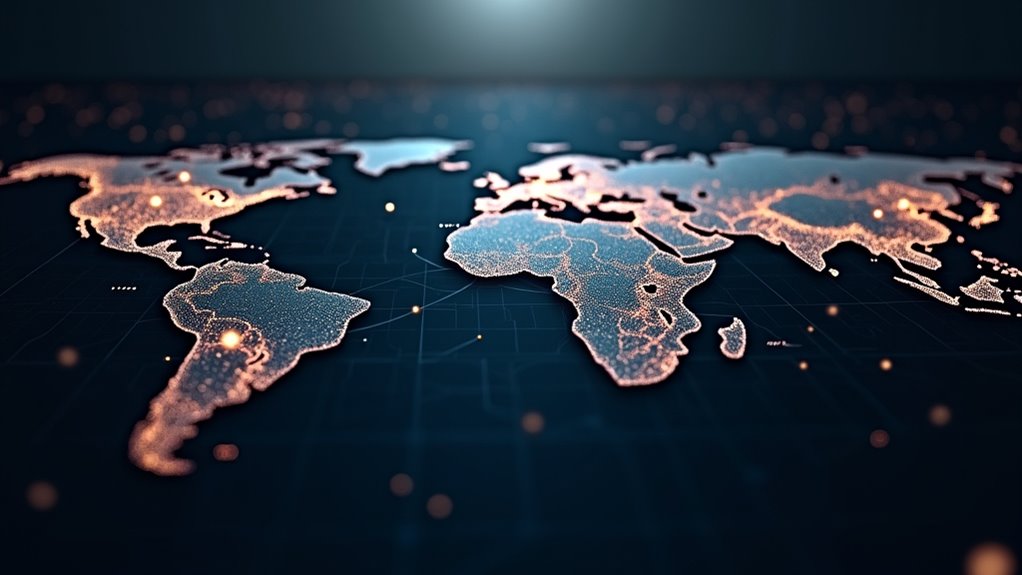
Culture is the shared way of life for a group of people, encompassing their customs, values, and behaviors. It shapes how they interact, think, and view the world through norms, language, and symbols. It’s learned, not innate, passed down via family and society. Culture gives identity and fosters belonging, yet it evolves over time. For those curious, exploring further reveals deeper insights into its powerful influence on human experience.
Defining the Essence of Culture
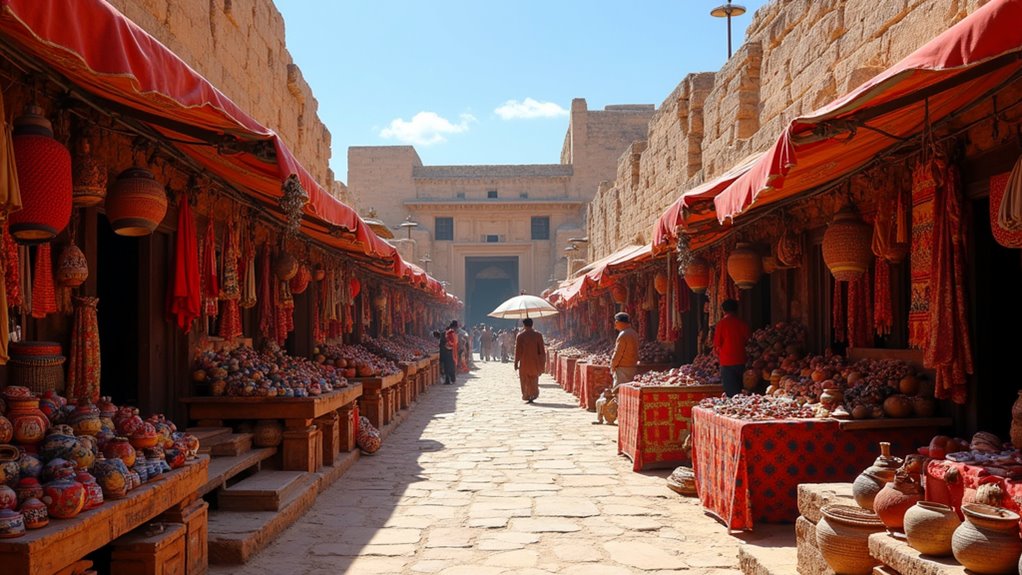
While the concept of culture often evokes images of art or tradition, it encompasses far more than surface-level expressions. It is the intricate web of customs, values, and behaviors that define a society or community. At its core, culture represents the shared patterns of interactions and cognitive constructs learned through socialization. It includes everything from accumulated knowledge and beliefs to the norms and laws that govern human behavior. This invisible framework shapes how individuals within a group perceive the world, guiding their actions and fostering a sense of belonging.
Culture transcends mere art or tradition, weaving a complex tapestry of customs, values, and behaviors that shape societal identity and belonging.
Delving deeper, culture is composed of distinct components that work together to form a cohesive whole. Symbols, for instance, carry profound meaning, evoking emotions and reactions unique to a group. Language serves as the foundation, a shared system for communication that transmits values and knowledge. Norms, whether formal like laws or informal like customs, set expectations for behavior, while values define what a society deems desirable or undesirable. Artifacts, the tangible objects such as tools or clothing, reflect the material side of culture, complementing the intangible aspects like beliefs and attitudes. Additionally, understanding woke culture can provide insight into how cultural movements emerge and challenge societal norms. Moreover, the concept of cultural competence is essential in ensuring effective communication and interaction across diverse groups. In individualistic cultures, the emphasis on personal achievement and self-expression can significantly influence social behavior and communication styles.
Culture is not static; it is dynamic and ever-evolving, influenced by both internal members and external forces. It is learned, not inherited, acquired through observation, imitation, and direct instruction. This process, known as enculturation, happens via socialization—through family, peers, schools, and religion. Language plays a pivotal role in transmitting cultural elements, ensuring that skills and experiences are passed down through generations. Importantly, culture is shared, though individual variations exist, and it often manifests symbolically, using gestures or objects to convey deeper meanings.

Beyond its components, culture serves critical functions in human life. It provides identity, rooting individuals in a shared heritage that fosters social cohesion and solidarity. It shapes worldviews, influencing hopes, fears, and perceptions of right and wrong. By offering norms and rules, culture guides behavior, maintaining social order while also allowing for subcultures or countercultures to challenge the status quo. Its impact extends to everyday interactions, subtly dictating social relationships and even economic benefits through creative industries or cultural tourism.
Ultimately, culture distinguishes one group from another, acting as both a unifying force and a marker of difference. It is holistic, with interconnected aspects forming a complete way of life. Whether through material objects like buildings or non-material elements like assumptions, culture encapsulates human experience. It is a lens through which societies view themselves and others, a repository of collective memory that evolves yet endures.
Understanding culture, then, is not just about recognizing traditions—it’s about grasping the deeper systems that shape humanity’s diverse tapestry. This clarity reveals culture’s true meaning: a living, breathing force that defines who we are. Additionally, celebrating global cultures showcases how distinct communities express their unique identities through various forms of art, language, and rituals.